Same Room.
Different Starting Points.
Shared Possibilities.
What a retired gentleman, council commissioners and a room full of curious learners taught me about AI and community inclusion.
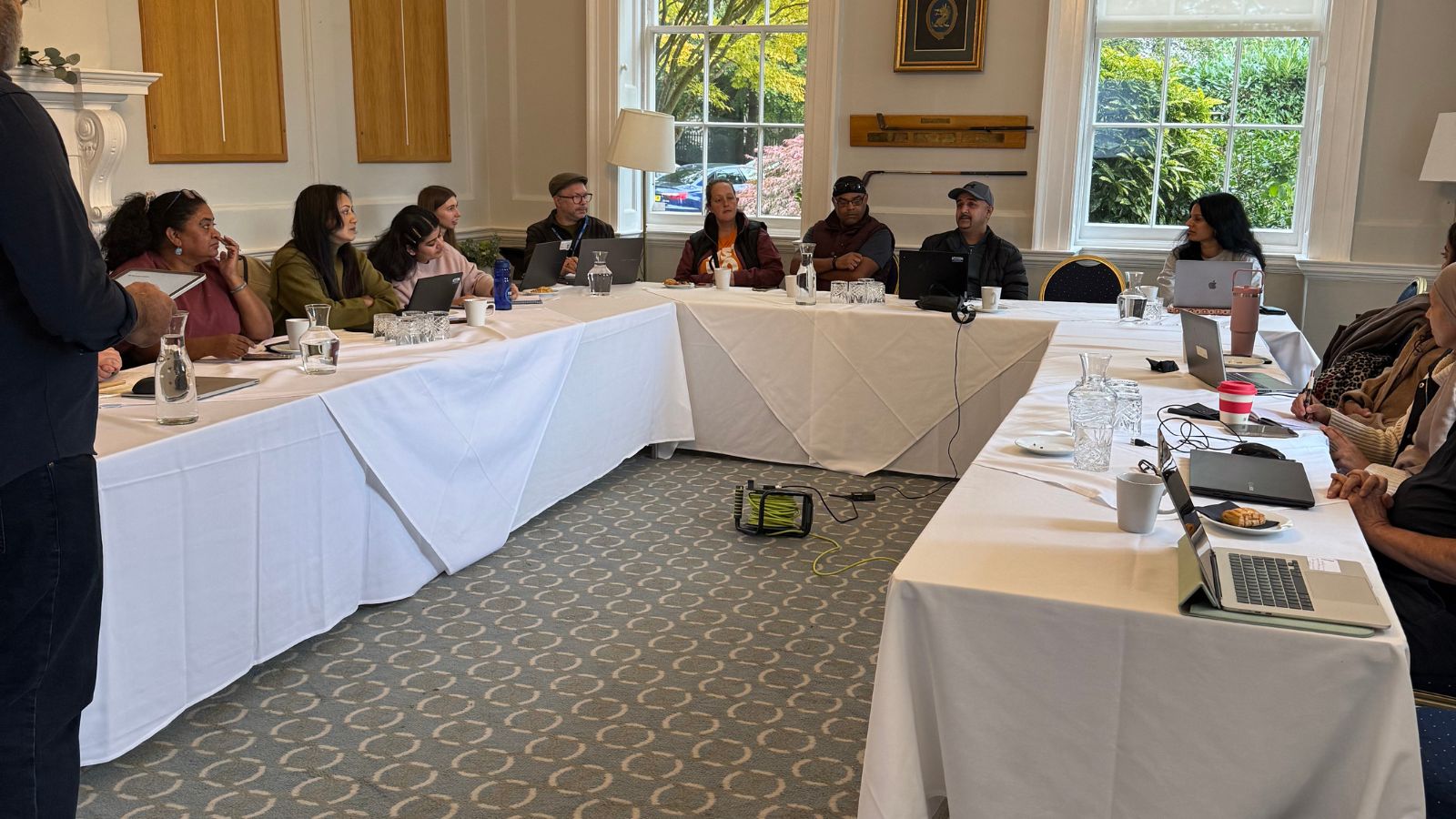
It was a cold, wet and miserable Monday morning in Birmingham. The sort of morning when staying home with a warm cup of tea might have seemed the better option.
But 15 people made a different choice.
They joined us at Edgbaston Golf Club for our AI workshop, supported by the Edgbaston Neighbourhood Network Scheme’s Capacity Building Fund.
What struck me wasn’t just their enthusiasm. It was who was in the room: three Birmingham City Council commissioners, someone from an NHS commissioning team, community organisations, experienced AI users and complete beginners.
And then there was Paul.
Paul is retired. He’d never used AI before and didn’t open his laptop until about three-quarters of the way through.
That’s the challenge of an open workshop. How do you keep everyone engaged when their knowledge and confidence are so different?
It started with baking a cake!
We explored AI tools and how to get better results through prompting. I compared it to baking: flour, eggs and milk might make a basic cake, but chocolate, vanilla or a birthday occasion changes what you need.
Prompting works much the same way. Our Smartlyte Prompt Builder helps people think about four ingredients: role, task, tone and output. We also tried reverse prompting — asking AI to question you first, so it becomes a thinking partner rather than simply producing answers.
And then Paul opened his laptop.
Paul wanted help decorating his hallway. We created a step-by-step guide, turned it into a visual and explored contemporary colours and styles.
And something changed. Paul was no longer watching. He was asking questions and discovering possibilities.

Different discoveries. Shared learning.
Our AI Interactive Lab brought out the “Wow!” moments. A photograph became a drone-style view, a pastry revealed its layers, and handwritten notes became a mind map. Conversations in Bangla, Urdu and regional dialects showed another side of what was possible.
People were finding applications that mattered to them — whether improving services, supporting residents or simply building confidence.
Everyday ideas, seen differently.
Three small experiments. Three very different ways of seeing what AI can do.
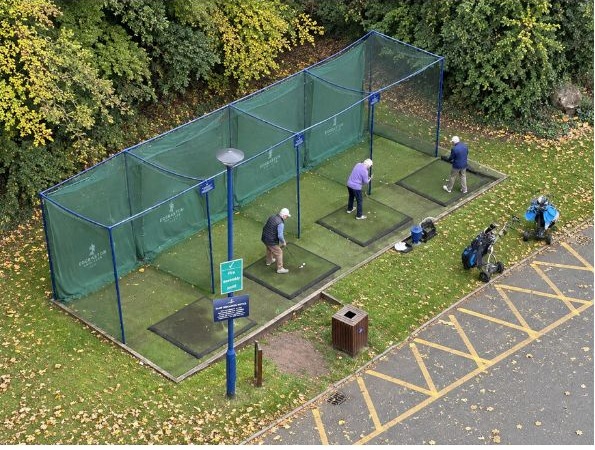
A familiar photograph becomes a bird’s-eye view.

One pastry, explored layer by layer.
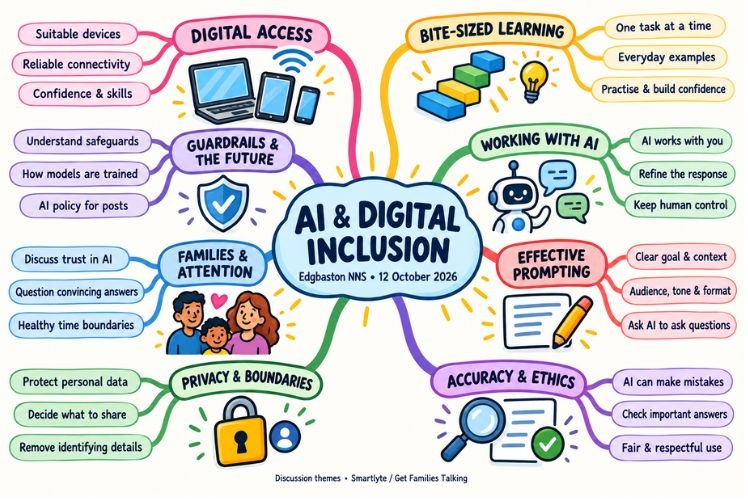
Notes and conversations turned into a visual map.
What if this is how we develop AI skills across our cities?
A recent Global Government Forum report calls attention to AI capability across cities, not only within local authorities.
That resonated because we had people who commission public services sitting alongside those who deliver them and residents who use them.
Why should AI learning for these groups always happen separately? Each brings a different understanding, and together they could help shape services around real needs.
Three Perspectives. Stronger Together.
Commissioners · Delivery organisations · Residents
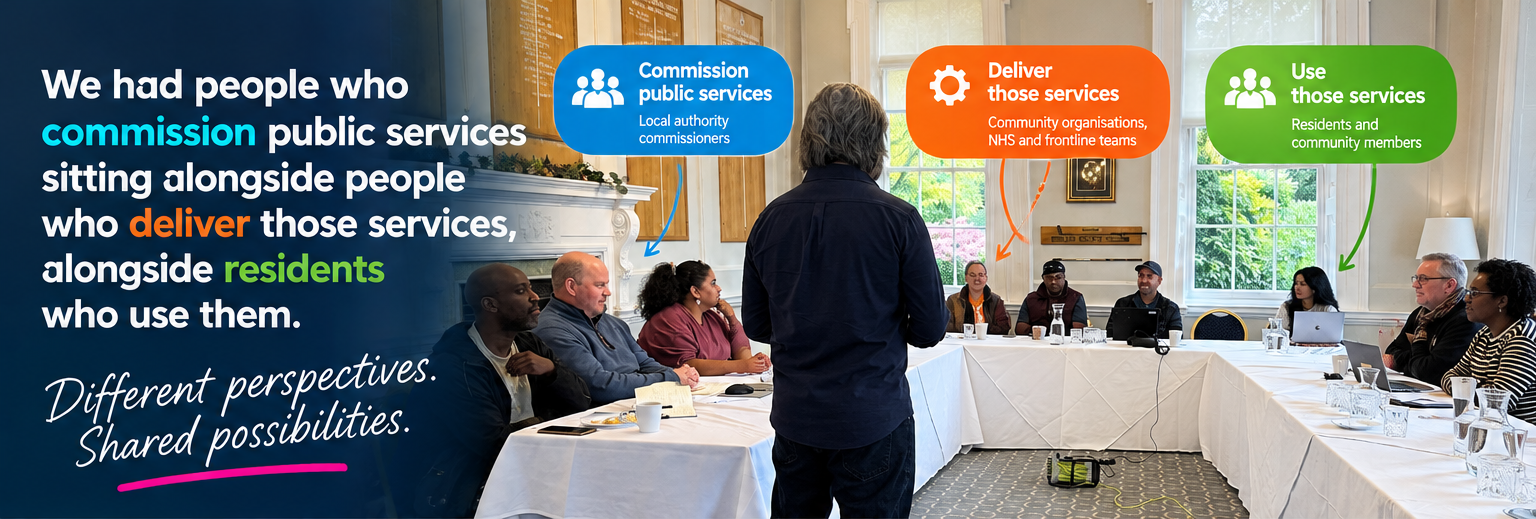
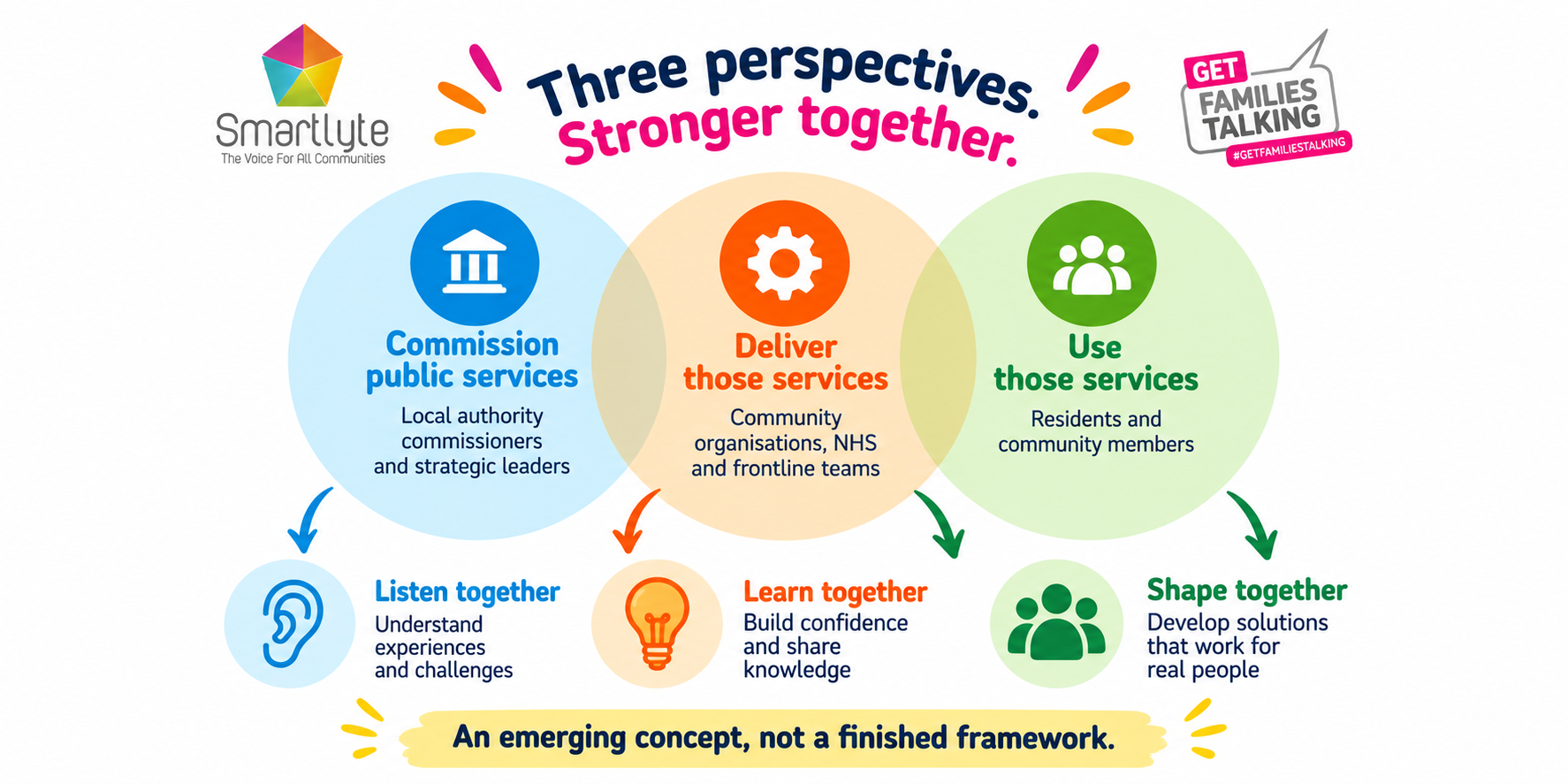
It sounds simple. But how often do we bring all three perspectives together before decisions are made?
Fifteen people. One room. And a bigger question.
We overran. I hadn’t covered half my presentation. But all 15 stayed until the end, asking questions, experimenting and sharing ideas.
Perhaps the success of AI training isn’t measured by how many tools we demonstrate, but by how many people leave feeling more confident, curious and capable.
As our cities become smarter, are we making sure our communities aren’t being left behind?
People first. Technology with purpose.